
Ashiu Forest — The Source of Miyama’s Water
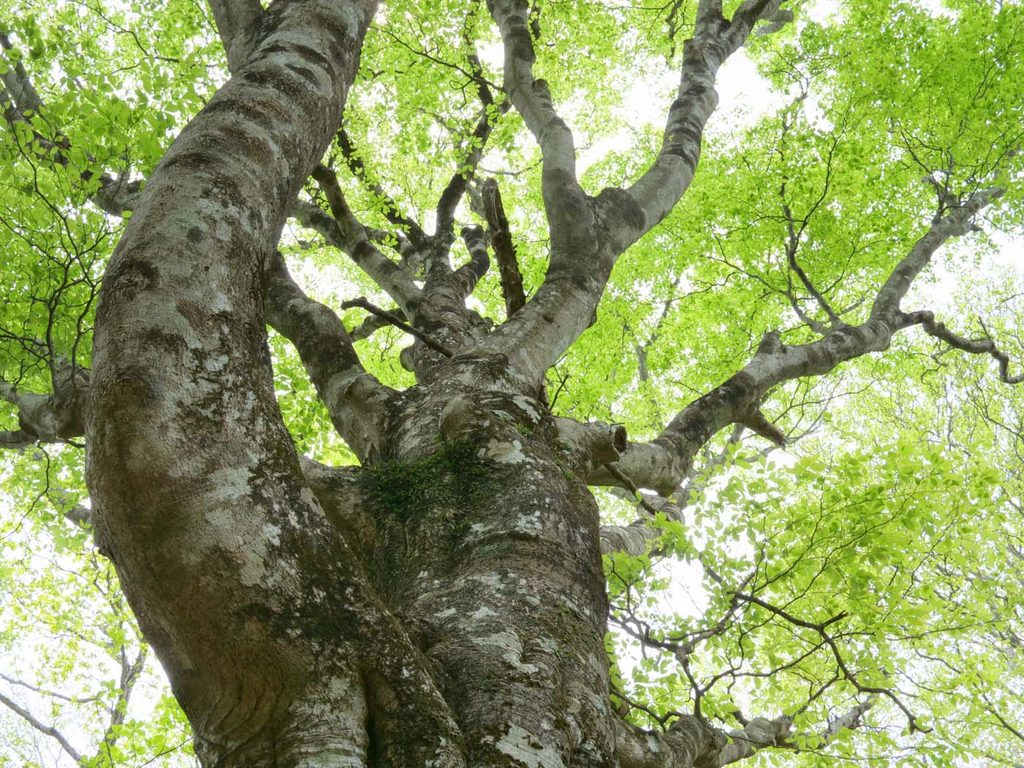
Deep in the mountains of Miyama lies Ashiu Forest, one of the most valuable natural forests in western Japan. The forest is home to a rich variety of trees and plants, including beautiful Japanese beech trees. Unlike many forests in Japan that were planted and managed for timber, large areas of Ashiu have kept a more natural forest environment for generations.
Today, much of the area is managed as the Ashiu Forest Research Station of Kyoto University, where researchers study forests, plants, wildlife and ecosystems.
A Forest Full of Life
Ashiu Forest has a rich biodiversity because of its mountains, valleys, streams and different types of forest. Many kinds of wildlife live here, including deer, wild boar, monkeys and Asiatic black bears, as well as many birds, insects and other small creatures.
But the importance of Ashiu is not only what we can see above the ground. The forest also plays an important role in storing and filtering water.
Rain falls on the mountains, passes slowly through the forest and soil, and eventually flows into many small streams. These streams come together to form the Yura River, which flows through Miyama and eventually reaches the Sea of Japan.
From the Forest to the Sea
There is an interesting idea in Japan that “a rich forest creates a rich sea.”
Every autumn, leaves fall from trees such as beech and become nutrients in the forest soil. Rainwater carries some of these nutrients into streams and rivers, and eventually toward the sea. These nutrients help support algae, plankton, insects, fish and many other forms of life.
There is even a traditional expression, “One beech tree, one thousand yellowtail.”
Of course, this does not literally mean that one tree produces a thousand fish. It is a simple way of explaining how forests, rivers and oceans are connected.
This is also why some fishermen in Japan plant trees in the mountains. They understand that protecting the forest can eventually help protect the rivers and the sea.
Ashiu Forest is therefore much more than a beautiful forest hidden in the mountains. It is the beginning of a natural cycle connecting the forest, the Yura River, the villages of Miyama, and the Sea of Japan.
And this is where the next part of our story begins — the Yura River.
芦生の森 ― 美山の水を育む源流の森
美山のさらに山深い場所に、芦生(あしう)の森があります。西日本でも有数の貴重な自然林が残る地域で、ブナをはじめとするさまざまな樹木や植物が生育しています。
日本の森林には、木材生産のために人の手で植えられた人工林も多くありますが、芦生には長い年月をかけて形成された自然豊かな森林環境が残されています。
現在、その多くは京都大学芦生研究林として管理され、森林や植物、野生動物、生態系など、さまざまな研究が行われています。
多様な生命を育む森
芦生の森には山や谷、渓流など変化に富んだ環境があり、豊かな生物多様性が保たれています。森にはシカ、イノシシ、ニホンザル、ツキノワグマをはじめ、多くの鳥や昆虫など、さまざまな生き物が暮らしています。
しかし、芦生の森の大切な役割は、目に見える動植物だけではありません。森は雨水を蓄え、ゆっくりと土の中を通して流す、水を育む場所でもあります。
山に降った雨は森の土を通り、やがて小さな沢となります。そしていくつもの流れが集まり、由良川となって美山を流れ、日本海へと向かいます。
森から川へ、そして海へ
日本には、「豊かな森が豊かな海をつくる」という考え方があります。
秋になると、ブナなどの木々から大量の葉が落ち、それが分解されて森の土の栄養分となります。その一部は雨とともに沢や川へ運ばれ、やがて海へとつながっていきます。そして、藻類やプランクトン、水生昆虫、魚など、さまざまな生命を支える自然の循環の一部となります。
日本には、「ブナ一本、ブリ千匹」という言葉もあります。
もちろん、一本のブナが実際に千匹のブリを育てるという意味ではありません。森と川、そして海は別々のものではなく、ひとつの生態系としてつながっていることを、わかりやすく表した言葉です。
日本の漁業者の中には、山に木を植える活動を行う人たちもいます。それは、森を守ることが川を守り、その先にある海や魚を守ることにつながると考えられているからです。
芦生の森は、単に山奥に残された美しい森ではありません。森から由良川へ、由良川から美山の里へ、そして日本海へ。美山の自然をつなぐ大きな循環は、この森から始まっています。
そして、その森から生まれる水の物語が、次の「由良川」へと続いていきます。